Dried apricots are known as the number one food highest in potassium. A research study called “Nutritional and Phytochemical Traits of Apricots (Prunus Armeniaca L.) for Application in Nutraceutical and Health Industry” found that apricots naturally contain a very high amount of potassium.
The study showed that different types of apricots had potassium levels ranging from 1430 mg to 2202 mg per 100 grams (dry weight). This means dried apricots have one of the highest potassium levels among all common foods.
Potassium is an important mineral your body needs every day. It helps your heart, nerves, and muscles work properly. Many people in the United States do not get enough potassium from their daily diet. So it is important to know which foods are highest in potassium and how much they contain.
If you are searching for potassium-rich foods, high potassium foods, or foods high in potassium, this guide will help you choose the best options. All foods listed here are easy to find, budget-friendly, and good for daily meals.
Worried about low potassium? Get a quick blood test at Optimal Clinic USA.
Which Food Is Highest in Potassium?
The food highest in potassium is dried apricots. 1 cup of dried apricots has 1,511 mg of potassium, which is extremely high.
This is more than three times the potassium found in a banana. Other very high potassium foods include prunes, white beans, acorn squash, spinach, and potatoes.
| Rank | Food | Serving Size | Potassium (mg) | Notes/Benefits |
| 1 | Dried Apricots | 1/2 cup | 1,511 | The highest potassium food |
| 2 | Prunes (dried plums) | 1/2 cup | 1,274 | Good for digestion and energy |
| 3 | White Beans (cooked) | 1/2 cup | 1,189 | Great plant protein source |
| 4 | Potatoes (baked, with skin) | 1 medium | 941 | Very common high-potassium food |
| 5 | Acorn Squash (cooked) | 1 cup | 896 | Great for heart health |
| 6 | Spinach (cooked) | 1 cup | 839 | Very nutrient-dense |
| 7 | Lentils (cooked) | 1 cup | 731 | Rich in fiber and minerals |
| 8 | Avocados | 1 medium | 708 | Healthy fats + potassium |
How Much Potassium Is in a Banana?
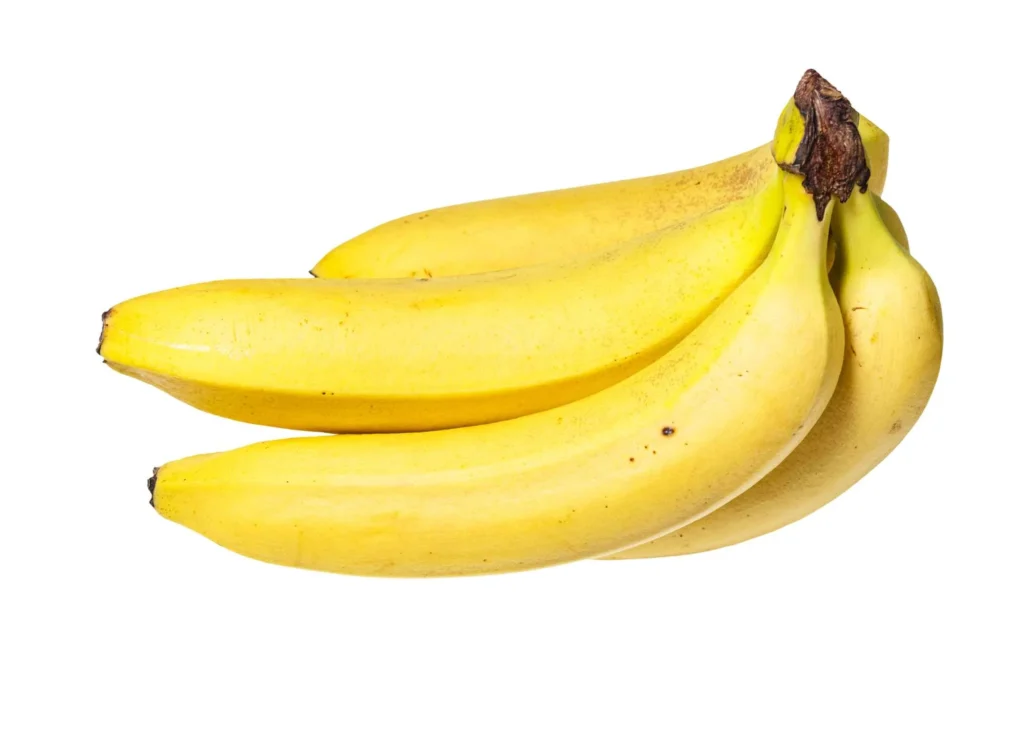
Bananas are the most popular source of potassium in the United States.
- A medium banana contains about 422 mg of potassium.
- They are not the highest potassium foods, but they are cheap, convenient, and widely available.
- Bananas also provide vitamin C, fiber, and natural sugars for quick energy.
What Foods Are High in Potassium? (Simple List)
If you want a fast list, here are the most common high potassium foods in the USA:
- Bananas
- Oranges
- Potatoes
- Beans
- Lentils
- Spinach
- Yogurt
- Salmon
- Avocados
- Coconut water
- Dried fruits (apricots, prunes, raisins)
These foods are great for boosting your potassium naturally.
Potassium in Fruits
Many fruits are naturally rich in potassium. Here are the best options:
- Bananas: 422 mg per medium banana
- Oranges: 237 mg per fruit
- Avocados: 708 mg per medium fruit
- Dried fruits: apricots, prunes, raisins
- Cantaloupe & Honeydew: 400–450 mg per cup
Potassium in Vegetables
Vegetables are also excellent sources:
- Spinach (cooked): 839 mg per cup
- Acorn squash (cooked): 896 mg per cup
- Potatoes (with skin): 941 mg per medium
- Sweet potatoes: 541 mg per medium
- Beets: 518 mg per cup
- Tomatoes & tomato juice: 400–550 mg per cup
Potassium in Beans, Nuts, and Seeds
Beans, legumes, and nuts are nutrient-dense and high in potassium:
- White beans (cooked): 1,189 mg per ½ cup
- Lentils (cooked): 731 mg per cup
- Kidney beans: 713 mg per cup
- Almonds: 200 mg per ounce
- Sunflower seeds: 186 mg per ounce
Why Is Potassium Important?
Potassium helps:
- Keep your blood pressure normal
- Support your heart
- Prevent muscle cramps
- Maintain body fluids
- Improve nerve function
People who eat foods high in potassium often feel more energetic and healthier.
How Much Potassium Do Our Bodies Need Daily?
The recommended daily intake of potassium our bodies need actually varies by different factors. These factors generally include age, sex, and life stage.
- Adult men: On average adult man needs 3,400 mg of potassium daily.
- Adult women: Similarly, an adult woman needs 2,600 mg on a daily basis.
- Teenagers (14-18 years): 3,000–3,200 mg
- Children (9-13 years): 2,300 mg
- Pregnant women: 2,900 mg
- Breastfeeding women: 2,800 mg
Eating high-potassium foods regularly can help you meet these requirements naturally.
Signs of Potassium Deficiency
Generally, potassium deficiency is very rare. However, this does not mean it can’t happen. Below, I have listed some signs of low potassium. They include:
- Fatigue and weakness
- Muscle cramps or spasms
- Heart palpitations
- Tingling or numbness
- High blood pressure
- Constipation
How Can I Increase My Daily Potassium Intake?
- Include fruits like bananas, oranges, and avocados in breakfast.
- Add beans, lentils, and yogurt to your lunch or dinner.
- Snack on dried fruits or nuts instead of processed snacks.
- Bake or boil potatoes with skin to preserve potassium.
- Drink coconut water to stay hydrated and maintain electrolytes.
Potassium and Its Role in the Human Body
1. Potassium for Heart Health
Potassium is very important for your heart health. Potassium has the potential to help control blood pressure by keeping sodium levels balanced.
That’s why food rich in potassium may help lower the risk of heart disease. Some studies show that people who get enough potassium have a healthier heart rate. It means that having optimal levels of potassium is very important for our heart health.
2. Potassium for Muscles
Your muscles need potassium to move. It helps them stretch and relax. Without enough potassium, your muscles can hurt or feel weak. Foods like bananas, avocados, and lentils help your muscles, especially if you play a lot or exercise.
3. Potassium and Bones
Potassium is good for your bones, too. If you don’t get enough, your bones can get weak. Foods like sweet potatoes, spinach, and white beans help keep your bones strong.
How to Get Potassium Every Day
- Breakfast: Eat a banana, orange, or avocado. You can also add yogurt or oatmeal with some nuts.
- Lunch: Try beans, lentils, or a spinach salad. Add tomatoes or avocado for extra potassium.
- Dinner: Bake or boil potatoes, sweet potatoes, or squash. Include salmon or beans for protein.
- Snacks: Eat dried fruits like apricots, prunes, or raisins. Nuts and seeds are good too.
- Drinks: Coconut water is a tasty drink that has a lot of potassium.
What drink increases potassium?
A user mentioned on Reddit that orange juice and milk have a lot of potassium. However, scientific study shows that Prune juice has the highest potassium, such that 707 mg per cup. Other than this, coconut water contains approximately 600 mg per cup.
Can potassium cause skin rash?
Potassium from foods like bananas, potatoes, and coconut water rarely causes a skin rash. Skin reactions may occur only if you take potassium supplements or topical products that irritate sensitive skin.
How does potassium affect your face?
Potassium helps your body maintain proper hydration, which can make your skin look healthier and more radiant. It also helps balance fluids, reduce puffiness, and support overall skin function, giving your face a smoother appearance.
Key Takeaways:
- Dried apricots are the highest potassium food, with 1 cup containing about 1,510 mg.
- Potassium is essential for heart, muscle, nerve, and bone health.
- Bananas, potatoes, beans, spinach, and avocados are all good sources of potassium.
- Drinks like prune juice and coconut water can help increase potassium intake.
- Eating enough potassium daily helps prevent fatigue, muscle cramps, and supports healthy skin.