Key Takeaways:
1. Testosterone plays a bigger role in digestion than most people realize, affecting bowel movements, gut muscles, inflammation, and overall digestive balance.
2. Low testosterone can lead to digestive issues like diarrhea, bloating, irregular stools, and IBS-like symptoms, while starting TRT may cause temporary constipation as the body adjusts.
3. TRT usually supports better gut health over time, but early changes in digestion are common and should be monitored to ensure comfort and long-term benefits.
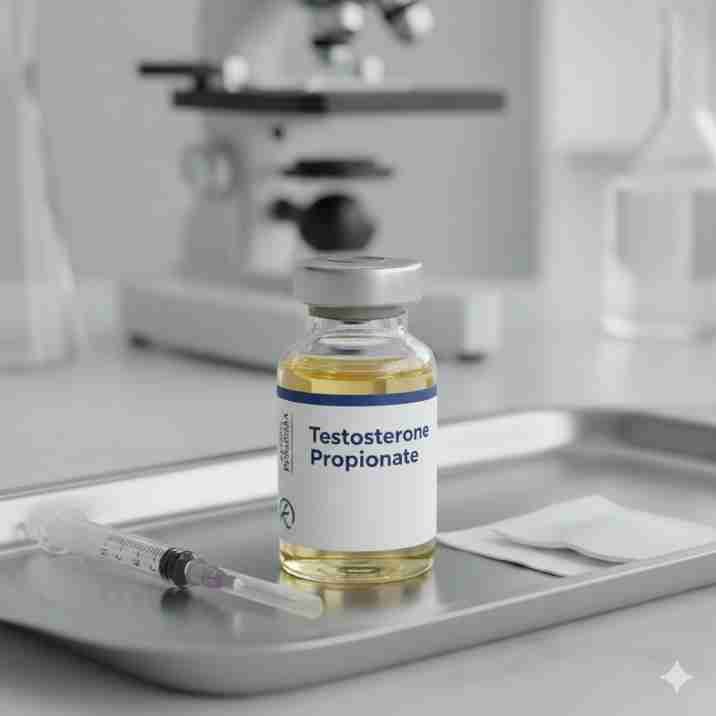
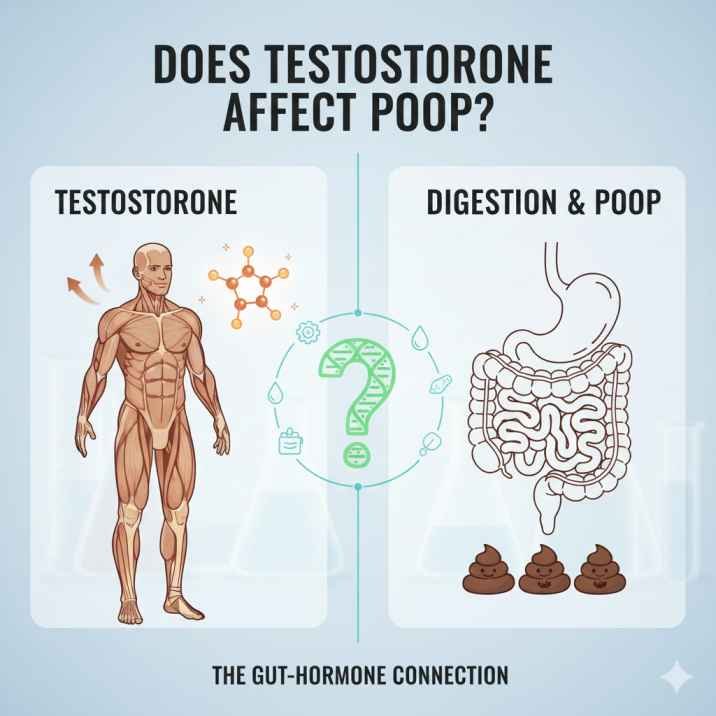
Many men wonder, does testosterone affect poop? The answer is yes. Testosterone influences your digestive system more than you might think. This hormone plays a role in gut health, bowel movements, and overall digestive function.
Research shows that sex hormones like testosterone interact with the gastrointestinal tract. According to a study published in the National Library of Medicine, testosterone receptors exist throughout the digestive system. This means hormone levels can directly impact your bowels.
At Optimal Clinic USA, we help men understand and manage the connection between testosterone and digestive health. Our comprehensive TRT treatment in the USA addresses both hormone optimization and overall wellbeing of the patients.
Disclaimer: The content shared here is only for informational purposes. Don’t consider it as medical advice. Always consult a licensed doctor before making any health decisions or starting treatments.
Does Testosterone Affect Bowel Movements?
Testosterone and bowel movements are connected through several mechanisms. This hormone affects gut motility, which is how fast food moves through your intestines. When testosterone levels change, your digestive system responds.
Men with low testosterone often report digestive issues. These can include irregular bowel movements, bloating, and discomfort. Understanding what causes low testosterone is important for addressing these digestive problems effectively The hormone helps maintain proper muscle function in the intestinal walls. Without adequate levels, things can slow down or speed up.
How Testosterone Influences Digestion?
Testosterone and digestion work together in complex ways:
- Regulates gut muscle contractions
- Affects fluid absorption in the intestines
- Influences gut bacteria balance
- Impacts inflammation levels in the digestive tract
When testosterone levels drop, these functions can become disrupted. This leads to various digestive complaints. If you’re experiencing these symptoms, you might be a good candidate for testosterone therapy to restore balance and improve digestive health.
Can Testosterone Cause Constipation?
Yes, testosterone can cause constipation in certain situations. When you start testosterone replacement therapy (TRT), your body undergoes hormonal changes. These changes can slow down gut motility temporarily.
Some men experience constipation when:
- Starting TRT for the first time
- Adjusting to a new dosage
- Using certain delivery methods like injections
The constipation usually happens because testosterone affects water retention. It can also change how your intestines contract. This slows the movement of stool through your colon.
At Optimal Clinic USA, our expert TRT doctors monitor these side effects carefully. We adjust treatment plans to minimize digestive discomfort. Our approach ensures you get the benefits without the unwanted symptoms.
Can Low Testosterone Cause Diarrhea?
Low testosterone can indeed cause diarrhea in some men. When testosterone levels are insufficient, the gut lining may become more permeable. This condition is sometimes called “leaky gut.”
Low testosterone also affects:
- Gut bacteria composition
- Intestinal inflammation
- Immune function in the digestive tract
- Stress hormone balance
All these factors can lead to loose stools or diarrhea. Some men with low testosterone experience alternating constipation and diarrhea. This pattern suggests hormonal imbalance affecting gut function.
Does TRT Affect Digestion?
TRT (testosterone replacement therapy) definitely affects digestion. Most men experience positive changes once their levels stabilize. However, the adjustment period can bring temporary digestive changes.
Common digestive effects during TRT include:
- Initial constipation or bloating
- Changes in appetite
- Altered bowel movement frequency
- Temporary gas or discomfort
These effects typically resolve within a few weeks. Your body needs time to adjust to the new hormone levels. Once stabilized, most men report improved digestive health
Does Testosterone Therapy Change Bowel Habits?
Testosterone therapy can change bowel habits, especially in the first months. You might notice differences in frequency, consistency, or timing. These changes reflect your body’s hormonal adjustment.
Some men become more regular on TRT. Others temporarily experience irregularity. The key is monitoring these changes with your healthcare provider.
When to Seek Medical Advice While Being on TRT?
Consult your doctor if you experience:
- Severe or persistent constipation
- Chronic diarrhea lasting more than a week
- Blood in stool
- Unexplained weight loss
- Severe abdominal pain
- Sudden changes in bowel habits
These symptoms may indicate issues beyond normal TRT adjustment. Early intervention prevents complications.
Why Choose Optimal Clinic USA for Your TRT Journey?
At Optimal Clinic USA, we understand that testosterone therapy affects your entire body, including your digestive system. We’re not just another online clinic. We’re your partner in achieving optimal health.
Our Comprehensive Approach
We take a holistic view of your health. When you start TRT with us, we monitor everything. This includes your hormone levels, digestive health, energy, mood, and overall wellbeing.
Our services include:
- Personalized TRT treatment plans according to your unique needs
- Regular monitoring of hormone levels and side effects
- Nutritional guidance to support gut health during TRT
- 24/7 support from our medical team
- Convenient online consultations from anywhere in the USA
We at Optimal Clinic USA track these patterns closely. We ask our patients to report any significant digestive changes. This helps us optimize treatment and maintain comfort throughout therapy.
Frequently Asked Questions
Can TRT improve gut health?
Yes, TRT can improve gut health by reducing inflammation, supporting beneficial bacteria, and strengthening the gut lining. Optimal testosterone levels support overall digestive function.
Can testosterone replacement therapy cause constipation?
Yes, TRT can cause temporary constipation when you first start treatment. This usually resolves within a few weeks as your body adjusts. Staying hydrated and eating fiber helps prevent this side effect.
Does low testosterone cause digestive problems?
Low testosterone can cause various digestive issues, including irregular bowel movements, diarrhea, bloating, and increased gut inflammation. Restoring optimal levels often improves these symptoms.
How long do digestive side effects last on TRT?
Most digestive side effects from TRT last 2-8 weeks. Your body needs time to adjust to new hormone levels. If symptoms persist beyond two months, consult your healthcare provider.
Does testosterone affect how often you poop?
Testosterone can affect bowel movement frequency. Some men become more regular on TRT. Others may experience temporary changes in frequency. This typically stabilizes within weeks.
Can hormone imbalance cause IBS-like symptoms?
Yes, hormone imbalance includinglow testosterone can cause symptoms similar to IBS. These include irregular bowel movements, bloating, gas, and abdominal discomfort. Addressing the hormone imbalance often relieves symptoms.
Should I take probiotics while on TRT?
Probiotics can be beneficial during TRT. They support gut health and may help minimize digestive side effects. Consult your healthcare provider about which probiotic is right for you.
Does testosterone affect appetite and digestion together?
Yes, testosterone influences both appetite and digestion. Optimal levels typically improve appetite and digestive efficiency. This helps with nutrient absorption and overall health.
The Bottom Line
Does testosterone affect poop? Yes, it does. Testosterone influences digestion, bowel movements, and gut health significantly. Whether you have low testosterone or are considering TRT, understanding these effects is important.
Most digestive changes during TRT are temporary and manageable. With proper guidance and monitoring, you can optimize both hormone levels and digestive health. Ready to optimize your testosterone and overall health? Contact Optimal Clinic USA today for a consultation. Let us help you achieve the results you deserve with the support you need.