A recent discussion involving Robert F. Kennedy Jr. has stirred debate in the peptide and medical research world. During an appearance on the popular podcast The Joe Rogan Experience, he suggested that the U.S. government may soon reconsider restrictions on several peptides currently placed in the FDA’s Category 2 list.
According to his comments, around 14 peptides could potentially be moved out of Category 2. If that happens, compounding pharmacies might be able to prepare them again under federal rules. For researchers and clinics that work with peptide therapies, this would be a major shift.
Before looking at the peptides themselves, it helps to understand what Category 2 means.
What Does FDA Category 2 Mean?
The U.S. Food and Drug Administration regulates substances that compounding pharmacies can use when preparing medications.
When a substance is placed in Category 2, it usually means the agency believes there may be safety concerns or not enough reliable data available. Because of that, pharmacies are generally not allowed to compound it for patients.
Many peptide researchers argue that this restriction has created a problem. When compounds cannot be produced by regulated pharmacies, researchers often turn to research-only suppliers, which may not follow pharmaceutical-grade standards.
Supporters of reclassification say moving certain peptides out of Category 2 could bring production back into licensed and controlled environments.
The 14 Peptides That May Leave Category 2
While the FDA has not published a final official list yet, industry discussions frequently mention a group of peptides that may be reconsidered. These compounds are widely studied in fields such as regenerative medicine, metabolism, and neuroscience.
Below are the 14 peptides often referenced in discussions about potential reclassification.
1. BPC-157
BPC-157 is one of the most talked-about peptides in regenerative research. It comes from a protein found in stomach acid.
Scientists study it because of its possible role in tissue repair and inflammation control. Some animal studies suggest it may help with tendon injuries, muscle damage, and digestive system problems.
Because of these potential benefits, it has attracted attention from sports medicine researchers.
2. Thymosin Alpha-1
Thymosin Alpha-1 is known for its effects on the immune system. It helps regulate immune responses and has been used in some countries for viral infections and immune-related conditions.
Researchers continue to explore how it may support immune function during illness or recovery.
3. TB-500
TB-500 is a synthetic version of a naturally occurring peptide called thymosin beta-4.
Its main interest lies in cell migration and tissue healing. In simple terms, it may help cells move to areas where repair is needed.
This is why researchers often study it in connection with muscle recovery and wound healing.
4. GHK-Cu
GHK-Cu is often called a copper peptide. It occurs naturally in the human body and plays a role in tissue repair.
Many studies focus on its ability to stimulate collagen production and skin regeneration. Because of this, it is sometimes researched in dermatology and cosmetic medicine.
5. AOD-9604
AOD-9604 is a fragment derived from human growth hormone.
Unlike full growth hormone, this peptide mainly targets fat metabolism. Researchers have looked at it as a possible treatment for obesity and metabolic disorders.
The goal is to affect fat breakdown without influencing overall growth hormone activity.
6. CJC-1295
CJC-1295 is designed to stimulate the body’s natural growth hormone release.
Researchers often study it in combination with other peptides because it may support recovery, sleep quality, and muscle maintenance.
Interest in this compound is particularly strong in anti-aging research.
7. Ipamorelin
Ipamorelin works in a similar way to CJC-1295. It signals the body to release more natural growth hormone.
However, it is often considered more selective. That means it may stimulate growth hormone without strongly affecting other hormones.
This has made it a frequent subject in research focused on metabolism and recovery.
8. Epitalon
Epitalon is widely discussed in longevity research.
Some studies suggest it may influence telomeres, which are protective caps on the ends of chromosomes. Telomeres naturally shorten as people age.
Because of this connection, researchers study Epitalon for possible effects on aging and cellular repair.
9. KPV
KPV is a small peptide made from three amino acids.
It comes from a larger hormone called alpha-MSH. Scientists mainly study KPV for its anti-inflammatory effects, particularly in the digestive system.
It has been investigated in research related to inflammatory bowel conditions.
10. MOTS-C
MOTS-C is different from many peptides because it originates in the mitochondria, the energy centers of cells.
Research suggests it may influence energy balance and insulin sensitivity. This has made it an interesting candidate for studies involving metabolic diseases and physical performance.
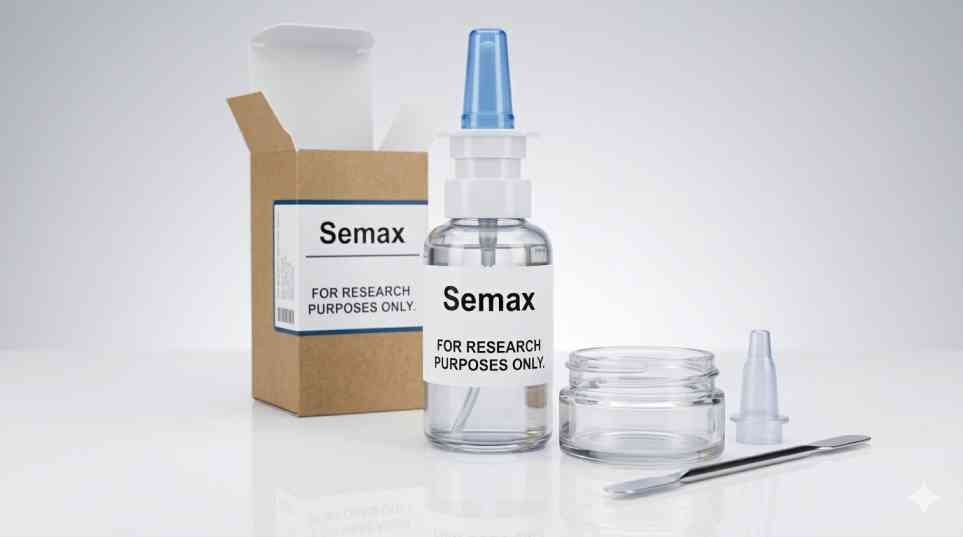
11. Semax
Semax is a synthetic peptide that has been studied for neuroprotective effects.
Some research focuses on its potential role in improving memory, focus, and brain function. It has also been investigated in neurological recovery studies.
12. Selank
Selank is another peptide connected to brain function.
Researchers study it for possible anti-anxiety and immune-modulating effects. Unlike many anxiety treatments, it may not cause strong sedation.
Because of that, it has drawn attention in neuroscience research.
13. Kisspeptin-10
Kisspeptin-10 plays an important role in the reproductive hormone system.
It helps control the release of hormones that regulate fertility and puberty. Researchers are studying it for potential uses in fertility treatment and hormone balance.
14. DSIP (Delta Sleep-Inducing Peptide)
DSIP, also called Emideltide, is associated with sleep regulation.
Scientists have explored its role in sleep patterns, stress response, and circadian rhythm control.
Although research is still limited, it remains a peptide of interest in sleep science.
Why This Potential Change Matters
If these peptides are eventually removed from Category 2, it could reopen the door for regulated compounding in the United States.
That would mean licensed pharmacies could prepare them again under physician supervision.
However, it is important to remember that reclassification does not equal FDA approval. Clinical evidence and safety evaluations would still be required.
For now, the FDA has not released a final rule. The discussion sparked by Robert F. Kennedy Jr. has simply brought new attention to the issue.
Still, many researchers believe the coming months could bring important regulatory updates.